
how-to
Is Soft Washing Safe for Siding? A Complete Guide
Editorial Team · October 10, 2026 · 13 min read
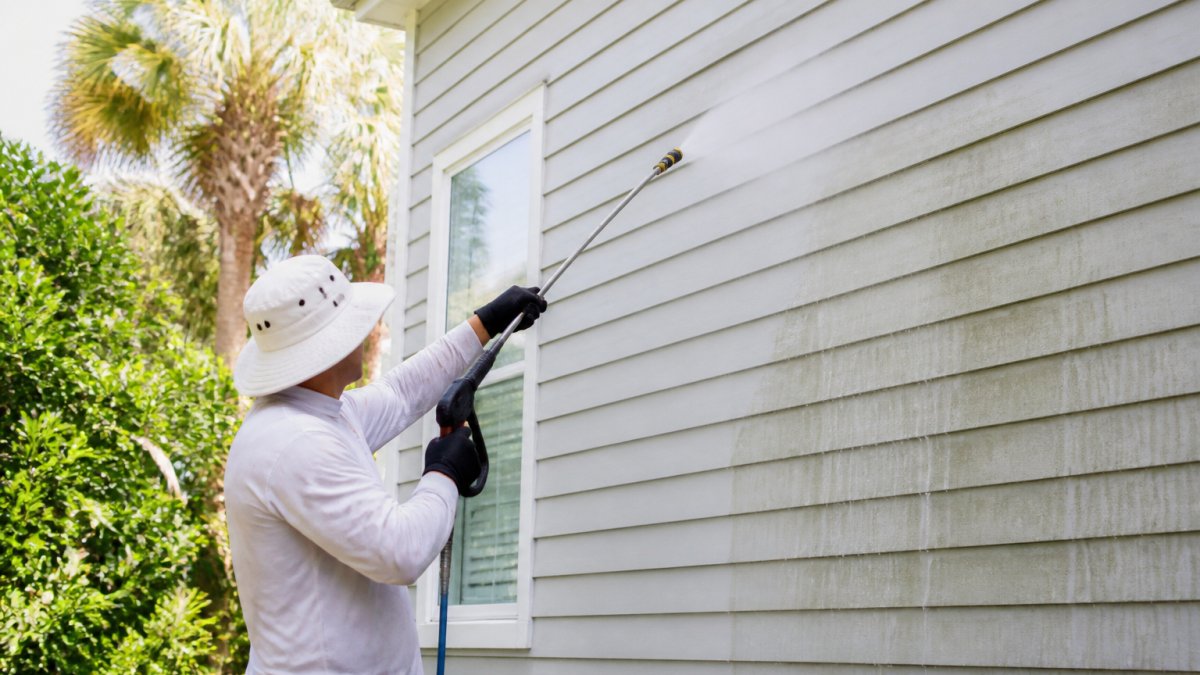
Table of Contents
- What Is Soft Washing and How Does It Work?
- Soft Washing Vinyl Siding: Safety and Best Practices
- Soft Washing Wood Siding: Protecting Your Investment
- Soft Washing vs Pressure Washing Siding: Which Is Right for You?
- How Often to Soft Wash a House: A Maintenance Schedule
- Safety Considerations and Environmental Impact
- When to Call a Professional for Soft Washing
- Frequently Asked Questions
Last Updated: October 10, 2026
What Is Soft Washing and How Does It Work?
Soft washing is a low-pressure cleaning method that uses specialized cleaning solutions instead of high-pressure water to safely remove dirt, mold, mildew, and algae from exterior surfaces. Unlike pressure washing, which relies on force to blast away buildup, soft washing safe for siding works by applying biodegradable chemical treatments that break down organic growth at the source. The process delivers results without damaging delicate surfaces like vinyl or wood siding.
The typical soft washing safe for siding approach involves three steps. First, technicians apply a customized cleaning solution to the affected area. Second, they allow the solution to dwell for a set period, giving it time to penetrate and dissolve contaminants. Third, they rinse the surface with low-pressure water, leaving behind a clean exterior that stays protected longer than pressure-washed surfaces.
At Osborne Exterior Property Solutions, soft washing safe for siding is ideal for homeowners who want lasting cleanliness without the risk of surface damage.
Soft Washing Vinyl Siding: Safety and Best Practices
Vinyl siding requires careful handling because high pressure can force water behind the panels, causing mold growth and structural damage. Soft washing safe for siding is the preferred method for vinyl because it cleans effectively without forcing water into seams or gaps. The low-pressure application keeps water on the surface where it belongs.
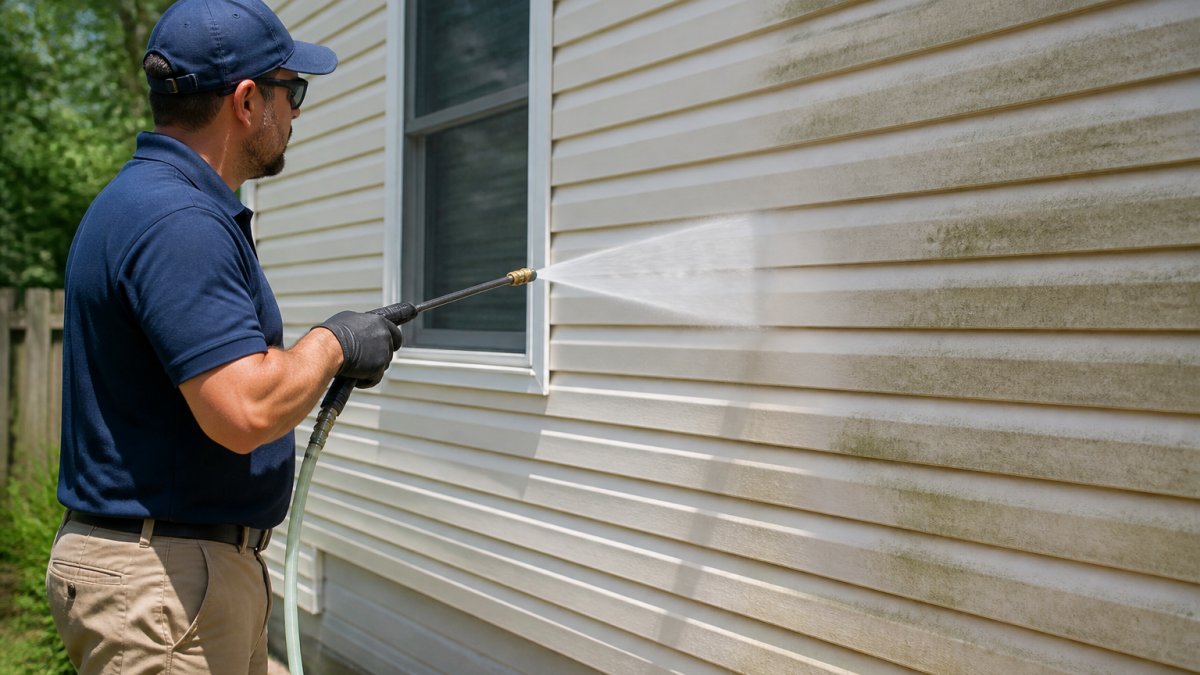
When soft washing vinyl, use solutions specifically formulated for this material. Harsh chemicals can discolor or degrade vinyl over time. The best approach involves applying a mild biodegradable detergent, allowing it to sit for 10-15 minutes, then rinsing with water at pressures below 1,500 PSI.
Never use bleach-based solutions on vinyl siding. Stick with enzyme-based or oxygen-based cleaners designed for residential exteriors.
Soft Washing Wood Siding: Protecting Your Investment
Wood siding demands the gentlest approach of all exterior surfaces. Soft washing safe for siding protects wood by avoiding the moisture penetration that pressure washing causes. High pressure can split wood grain, open seams, and create entry points for water damage and rot.
For wood siding, use solutions with lower chemical concentrations than you'd apply to vinyl or concrete. The wood's porous nature means it absorbs both water and cleaning agents more readily. Apply the solution, wait 15-20 minutes for it to work, then rinse gently with water at pressures under 1,000 PSI.
Wood siding benefits from preventive soft washing every 12-18 months. Regular maintenance keeps mold and mildew from taking hold, which extends the wood's lifespan and maintains the property's appearance.
Soft Washing vs Pressure Washing Siding: Which Is Right for You?
Soft washing and pressure washing serve different purposes, and choosing between them depends on your siding type and the cleaning challenge you face. Soft washing safe for siding works best for routine maintenance and delicate surfaces.
| Cleaning Method | Best For | Pressure Level | Risk Level |
|---|---|---|---|
| Soft Washing | Vinyl, wood, routine cleaning | Under 1,500 PSI | Low |
| Pressure Washing | Concrete, driveways, heavy stains | 2,000-4,000 PSI | High on siding |
Pressure washing can damage vinyl siding by forcing water behind panels and creating gaps where moisture accumulates. It can also split wood grain and leave permanent marks. Soft washing safe for siding avoids these problems entirely. The cleaning solution does the work, not the water force.
If your siding has light mold or algae, soft washing delivers results in 1-2 treatments. For heavily stained concrete driveways or patios adjacent to your home, pressure washing may be necessary, but never apply high pressure directly to siding.
How Often to Soft Wash a House: A Maintenance Schedule
The frequency of soft washing depends on your siding type, local climate, shade exposure, and how quickly mold or algae returns after cleaning. Rather than following a one-size-fits-all schedule, establish a baseline by having your siding professionally cleaned once, then monitor how quickly visible growth reappears.
Climate and Environmental Factors
Humid climates with frequent rainfall accelerate mold and algae growth. Properties in the Southeast, Pacific Northwest, or other high-moisture regions typically need soft washing every 9-12 months. Homes in drier climates, such as the Southwest or high-altitude areas, may extend intervals to 18-24 months or longer. Shade is a critical variable: north-facing walls and areas shaded by trees retain moisture longer and develop growth faster than sun-exposed surfaces. A shaded side of your home may need cleaning annually while the south-facing side stays clean for two years.
Siding Material Considerations
Vinyl siding tends to show algae and mold more visibly than wood or composite materials, so homeowners often perceive a need for more frequent cleaning. However, the actual biological growth rate is similar across materials. Wood siding may hide early-stage mold within grain and seams, making it harder to spot until growth is established; this argues for preventive cleaning every 12-18 months. Composite siding falls between vinyl and wood in terms of visibility and growth rate.
Observable Triggers for Cleaning
Instead of guessing, use these signs to determine when your siding needs soft washing:
- Light surface discoloration (faint green or gray tint) indicates early mold or algae; soft washing at this stage requires one treatment and takes 1-2 hours.
- Visible dark streaks or patches suggest established growth; expect one or two treatments and 2-4 hours of work.
- Slimy texture when touched (wear gloves) means moisture is trapped and growth is active; prioritize cleaning to prevent deeper penetration.
- Staining that doesn't rinse away with a garden hose indicates the growth has begun to set; soft washing is more effective than pressure washing at this stage.
Seasonal Timing
Spring and fall are ideal times for soft washing. Spring cleaning removes winter mold and algae before they spread during warm, humid months. Fall cleaning prevents algae from overwintering on your surfaces and reduces the inoculum (spore load) that would otherwise germinate in spring. Avoid soft washing immediately before heavy rain, as fresh precipitation can dilute the cleaning solution and reduce its effectiveness. Overcast days are preferable to direct sun, which can cause cleaning solutions to dry too quickly and leave streaks.
Creating a Maintenance Log
Track the date of each soft washing, the siding areas treated, visible growth at the time of cleaning, and how long it took for growth to return. After two or three cleaning cycles, you'll have concrete data on your home's specific cleaning interval. This log also serves as a record for future property sales and helps you budget for annual maintenance. Many homeowners find that consistent soft washing every 12-18 months prevents the deep-set staining that would otherwise require professional remediation or siding replacement.
Safety Considerations and Environmental Impact
Soft washing relies on biodegradable cleaning solutions, but improper handling can expose you, your family, and your landscape to chemical risks. Understanding safety and environmental best practices protects everyone involved and ensures your cleaning effort doesn't create new problems.
Personal Protective Equipment
When handling or applying soft washing solutions, wear nitrile gloves to prevent skin contact with cleaning agents. Many soft washing solutions are pH-neutral or mildly alkaline, but prolonged contact can irritate skin or cause dermatitis in sensitive individuals.
Runoff and Environmental Protection
Cleaning solution runoff can harm plants, degrade soil, and enter storm drains that feed into local waterways. Before beginning work, identify where water will flow, typically downhill or toward storm drains. Direct runoff away from gardens, flower beds, and landscaping by using temporary barriers or by adjusting your spray pattern.
Biodegradable solutions break down naturally, but this process takes time. Runoff entering storm drains may reach aquatic ecosystems before full degradation occurs. Professional contractors often use containment methods such as temporary berms or drain covers to prevent runoff from entering storm systems during application.
Chemical Disposal and Cleanup
If you purchase concentrated soft washing solution, follow the manufacturer's disposal instructions. Most biodegradable cleaners can be diluted and disposed of down a drain with plenty of water, but some formulations have specific requirements. Never pour concentrated solution directly into storm drains, septic systems, or natural water sources.
Avoiding Damage to Vegetation
Soft washing solutions are formulated to be gentle on plants, but direct application or heavy runoff can stress or kill landscaping. Oxygen-based and enzyme-based cleaners are safer for vegetation than bleach-based alternatives.
Weather and Application Conditions
Never apply soft washing solutions during strong winds. Wind carries mist away from the target surface and onto nearby plants, vehicles, or outdoor furniture, increasing the risk of unintended damage. Avoid application on days when temperatures are below 50°F or above 85°F; outside this range, cleaning solutions may not activate properly or may dry too quickly, leaving streaks.
Professional Contractor Standards
If you hire a professional, verify that they use environmentally certified cleaning solutions and follow local regulations for runoff management. Many municipalities have stormwater ordinances that require contractors to contain or filter runoff. Licensed contractors carry liability insurance that covers accidental damage to landscaping or neighboring properties, providing protection you may not have if you perform the work yourself.
When to Call a Professional for Soft Washing
DIY soft washing can work for small, easily accessible areas, but professional soft washing safe for siding offers significant advantages. Professionals have commercial-grade equipment, access to specialized cleaning solutions, and years of experience diagnosing what each surface needs. They know the exact pressure levels and dwell times for different siding types.
Hiring professionals eliminates guesswork and protects your investment. A single mistake with pressure or chemical concentration can damage siding permanently. Professional contractors carry insurance that covers any accidental damage, giving you peace of mind.
Osborne Exterior Property Solutions brings 25 years of experience in soft washing safe for siding across residential and commercial properties. Our licensed and insured team understands the unique needs of vinyl, wood, and composite siding materials. We customize our approach based on your siding type, the severity of buildup, and environmental conditions.
Soft washing safe for siding protects your home's exterior while delivering exceptional cleaning results. Whether you're dealing with routine mold and algae or preparing your property for sale, soft washing removes buildup without the damage risk that pressure washing creates. Osborne Exterior Property Solutions has spent 25 years perfecting soft washing techniques for residential and commercial properties throughout the region. Our team uses eco-friendly solutions and delivers results that last. Get a free quote today and see how professional soft washing can restore your siding's appearance.
Frequently Asked Questions
Is soft washing actually safe for all types of siding?
Soft washing is safe for most siding materials when done correctly, including vinyl, wood, fiber cement, and stucco. The low-pressure application and specialized cleaning solutions minimize the risk of damage compared to high-pressure methods. However, safety depends on proper technique, appropriate solution selection for your specific siding type, and professional application. Always verify compatibility with your siding material before treatment.
Can soft washing damage vinyl siding?
Soft washing is generally safe for vinyl siding because it uses low pressure (typically under 500 PSI) and gentle cleaning solutions rather than forceful water streams. The main risk occurs when inexperienced applicators use solutions that are too strong or don't rinse thoroughly. Professional soft washing protects vinyl by avoiding pressure that can force water behind panels or crack brittle material, making it the preferred method for vinyl-sided homes.
How often should you soft wash house siding?
Most homes benefit from soft washing every 2-3 years, though frequency depends on climate, shade exposure, and local environmental factors. Homes in humid areas or shaded locations may accumulate mildew and algae faster and need more frequent cleaning. Regular inspection helps determine if your siding shows visible mold, algae, or dirt buildup warranting treatment sooner. Establishing a maintenance schedule prevents heavy staining and extends your siding's lifespan.
What's the difference between soft washing and pressure washing for siding?
Soft washing uses low pressure (under 500 PSI) with specialized cleaning solutions to remove stains, algae, and mildew safely from delicate surfaces like siding. Pressure washing delivers high-force water streams (2500+ PSI) effective on concrete and hard surfaces but risks damaging or forcing water behind siding panels. For most residential siding, soft washing is the safer, more effective choice because it cleans thoroughly without structural risk.