
ultimate-guide
Hiring Professional Exterior Cleaning Services: 2026 Guide
Editorial Team · October 5, 2026 · 14 min read
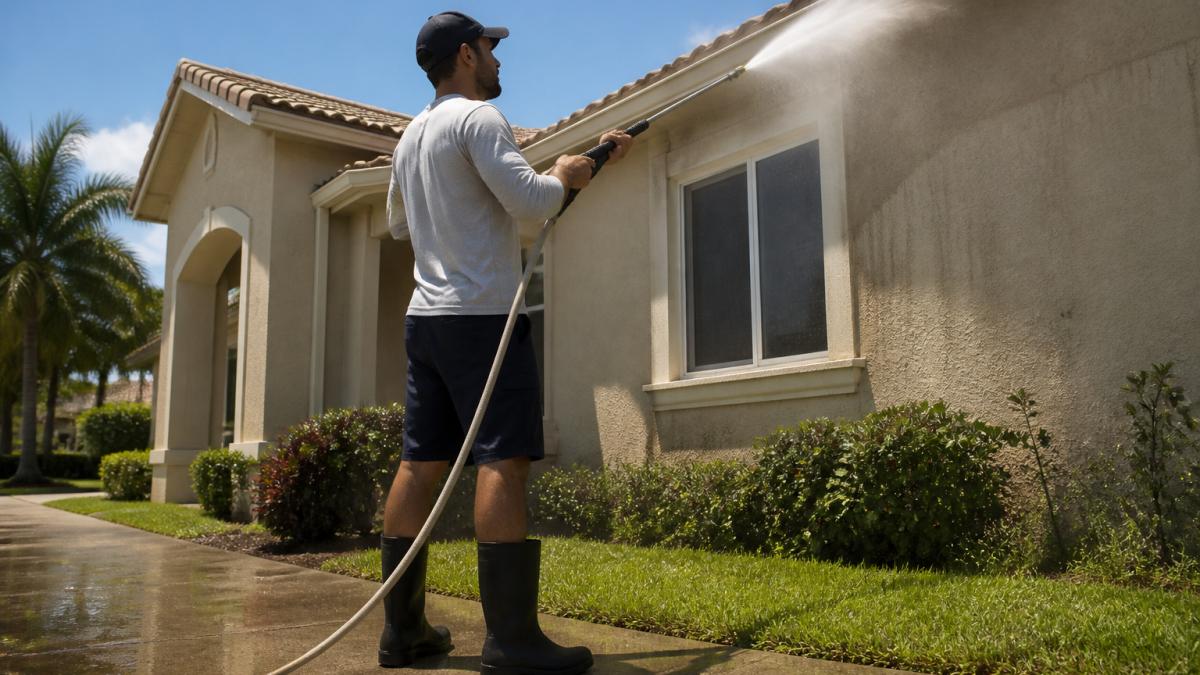
Table of Contents
- Why Hiring Professional Exterior Cleaning Services Protects Your Property
- Pressure Washing vs. Soft Washing: Choosing the Right Method for Each Surface
- How to Choose a Pressure Washing Company You Can Trust
- Exterior Cleaning Cost: What Drives Your Quote Up or Down
- Your Exterior Cleaning Service Checklist for Vetting Providers
- How to Prepare Your Property Before the Cleaning Crew Arrives
- Conclusion: Making the Right Call on Exterior Cleaning Services
- Frequently Asked Questions
Last Updated: October 5, 2026
Why Hiring Professional Exterior Cleaning Services Protects Your Property
Hiring professional exterior cleaning services is the practice of paying a trained, insured crew to remove dirt, grime, mold, mildew, and stains from a property's siding, roof, gutters, and hard surfaces using methods matched to each material.
That is the core argument of this guide. Exterior cleaning is not cosmetic upkeep you get to when the calendar allows.
Consider what accumulates on a typical exterior. Florida's humidity and afternoon storms leave a film of red dirt, pollen, and organic matter on siding and roofs. That film holds moisture against the surface.
The stakes are higher than most owners assume. The U.S. Environmental Protection Agency's guidance on mold and moisture control notes that mold growth on building surfaces is tied directly to persistent moisture, and that the fix is controlling the moisture source, not just wiping the surface.
Below, we break down which cleaning method fits which surface, how to vet a provider before you sign anything, what actually drives your quote up or down, and how to prepare your property for the crew's arrival.
Pressure Washing vs. Soft Washing: Choosing the Right Method for Each Surface
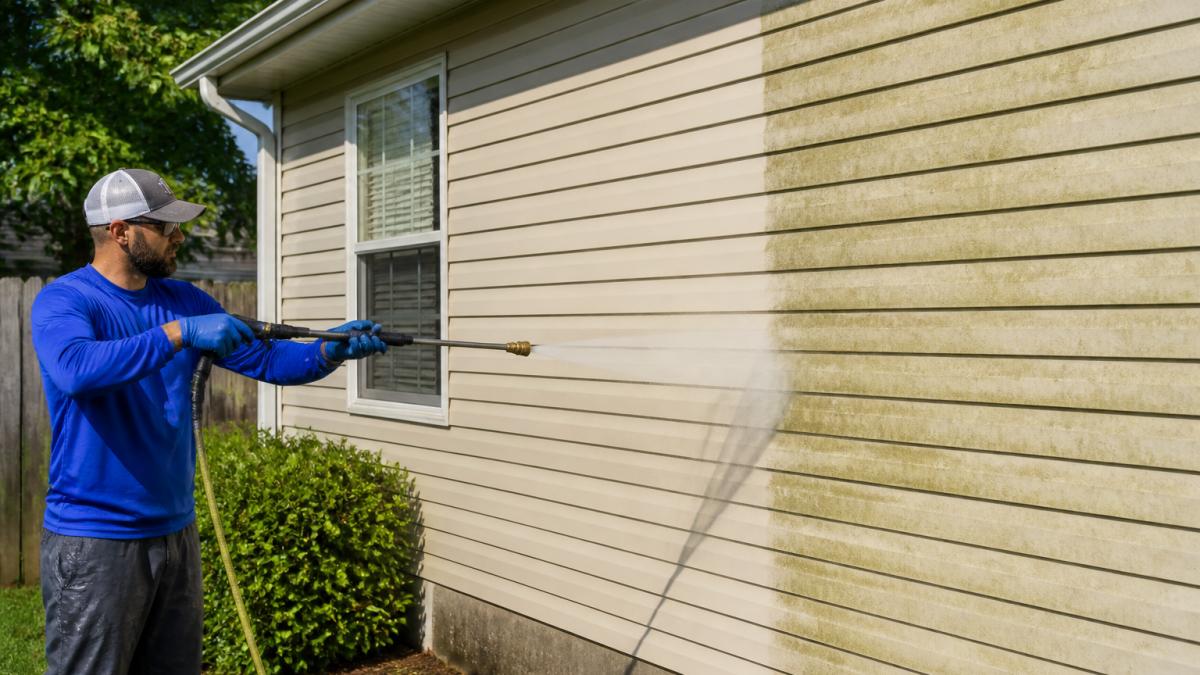
Pressure washing uses a high-velocity stream of water to blast dirt and grime off hard, durable surfaces. Soft washing uses low pressure combined with cleaning solutions to treat organic growth on delicate materials.
Here is the distinction that matters: pressure washing relies on force, while soft washing relies on chemistry and dwell time.
A qualified provider will walk your property and assign a method to each surface before quoting. If a company quotes you a single flat rate without inspecting the surfaces, that is a warning sign, not a convenience.
Surfaces That Need Pressure Washing
Hard, non-porous surfaces are the right candidates for pressure washing. These materials tolerate high velocity without damage:
- Concrete driveways, sidewalks, and pool decks
- Brick and block walls in good condition
- Stone patios and pavers
- Commercial dumpster pads and loading areas
- Retaining walls and curbing
On these surfaces, pressure washing removes embedded dirt, tire marks, and the gray film that makes concrete look permanently dingy. The key word is embedded. Surface rinsing will not touch it.
Surfaces That Require Soft Washing
Soft washing is the correct method for any surface that can be damaged by high pressure or that harbors organic growth:
- Vinyl and fiber cement siding
- Painted wood and trim
- Roof shingles, especially asphalt
- Stucco, which is common on Florida homes
- Screens, gutters, and fascia
- Any surface with visible mold, mildew, or algae
The reason soft washing matters on roofs is straightforward. Asphalt shingles lose their protective granules to high pressure, and once those granules are gone, the shingle's lifespan drops sharply. Soft washing treats the algae staining without removing the granules.
How to Choose a Pressure Washing Company You Can Trust
Choosing a pressure washing company comes down to verifying three things before you hire: licensing and insurance, method expertise, and references you can actually contact.
The reason verification matters is liability. If an uninsured crew damages your siding, cracks a window, or has an injury on your property, the cost lands on you.
Method expertise is the second filter. A company that offers both pressure washing and soft washing can match the method to the surface, which is the whole point.
References are the third. Ask for two or three recent customers in your area and call them.
Licensing, Insurance, and Verification Questions to Ask
Ask these questions before you sign anything. A professional provider answers all of them without friction:
- Are you licensed to operate in this state?
- Can you send me a certificate of insurance for general liability and workers' compensation?
- Which surfaces will you pressure wash, and which will you soft wash?
- Do you pre-treat landscaping and cover plants before cleaning?
- What happens if a surface is damaged during the job?
- Can you provide two or three local references?
A provider who dodges the insurance question is telling you something. Take the answer at face value.
Exterior Cleaning Cost: What Drives Your Quote Up or Down
Exterior cleaning cost is driven by square footage, surface type, level of buildup, access difficulty, and how many distinct services are bundled into one visit.
Pricing in this category is quoted per job, and the honest answer to "what will this cost" is that it depends on factors a provider has to see in person.
| Quote Factor | Pushes Cost Up | Pushes Cost Down |
|---|---|---|
| Square footage | Large driveways, long fence lines | Small, contained areas |
| Surface type | Stucco, painted wood, delicate roofs | Concrete, brick, pavers |
| Buildup level | Heavy mold, algae, years of neglect | Light seasonal dust and pollen |
| Access | Steep roofs, tight side yards, obstructions | Open, flat, easy-to-reach areas |
| Bundling | Single-service emergency call | Multiple services in one visit |
| Frequency | One-time deep clean | Recurring maintenance schedule |
The bundling row is the one most owners overlook.
For current pricing on your specific property, request a quote. We do not publish flat rates because a flat rate would be wrong for most properties.
Your Exterior Cleaning Service Checklist for Vetting Providers
An exterior cleaning service checklist turns a vague comparison into a scored decision. Use the list below, score each provider, and the choice usually makes itself.
Run through this list with every company you are considering. Score each line as pass or fail, then compare totals.
- Provides a written, itemized quote after an on-site inspection
- States clearly which surfaces will be pressure washed and which soft washed
- Produces a current certificate of insurance on request
- Confirms state licensing status
- Pre-treats and covers landscaping before cleaning
- Explains how runoff is managed, including any detergent use near storm drains
- Provides two or three contactable local references
- Confirms what is excluded from the scope in writing
- States whether a follow-up visit is included if results are unsatisfactory
- Coordinates scheduling around your availability, not just theirs
Two lines on that list deserve extra attention. Runoff management matters because cleaning solutions that enter storm drains flow to waterways, and the EPA's stormwater program guidance treats those discharges as a regulated concern, not a trivial one.
The exclusions line matters for a different reason. "Exterior cleaning" can mean anything from a quick rinse to a full property refresh. Get the scope in writing so you are not surprised when the fence is not included.
How to Prepare Your Property Before the Cleaning Crew Arrives
Preparing your property takes about thirty minutes and prevents the two most common sources of damage: water intrusion and chemical contact with plants. Most of the work is moving things, not cleaning anything.
Work through this before the crew arrives:
- Close all windows and doors. High-pressure water finds gaps that rain does not.
- Move vehicles, grills, and patio furniture off driveways and decks.
- Bring in or cover anything fragile on porches, including planters, decor, and light fixtures.
- Water landscaping thoroughly the morning of the service, which dilutes any overspray.
- Trim back branches that block access to siding or roof edges.
- Unlock gates and clear a path to outdoor spigots.
- Note any pre-existing damage and photograph it before work starts.
That last step protects both sides. A dated photo of a cracked paver or a loose piece of trim settles any later question about what the cleaning caused and what was already there.
After the crew leaves, walk the property while everything is still wet. It is far easier to spot a missed section or a dislodged screen before it dries. Ask about aftercare too: most surfaces benefit from a rinse of surrounding hardscape, and gutters should be checked for the debris that washing pushes into them.
Conclusion: Making the Right Call on Exterior Cleaning Services
The challenge with exterior cleaning is that the wrong provider can cost you more than the right one ever would. A crew that pressure washes a roof or skips insurance turns a maintenance task into a repair project.
At Osborne Exterior Property Solutions, we are a licensed and insured one-stop shop for exterior property care, covering pressure washing, soft washing, and the surface-by-surface method matching. Our team also handles community-wide trash bin sanitation coordinated around normal waste pickup days, which keeps HOA and commercial properties consistently presentable without adding another vendor to your list.
Get started with Osborne Exterior Property Solutions and restore your property's appearance with maintenance you do not have to manage yourself. Request a free quote and we will inspect your surfaces before we quote a number.
Frequently Asked Questions
What should I look for when hiring an exterior cleaning company?
Look for licensing, insurance coverage, and a physical business address. Ask for proof of liability insurance and workers' compensation. Check customer reviews on Google and the Better Business Bureau. Request references from similar properties in your area. A reputable company will provide a written estimate, explain their cleaning methods for different surfaces, and offer a satisfaction guarantee. Avoid providers who demand cash upfront or cannot show proof of insurance.
How much do professional exterior cleaning services cost?
Exterior cleaning cost depends on several factors: square footage, surface type, level of dirt and staining, accessibility, and whether you need one-time or recurring service. Pricing also varies by region and season. Most companies provide free estimates after assessing your property. For an accurate quote on house washing, roof cleaning, gutter cleaning, or commercial pressure washing, contact a licensed provider directly and request a written estimate based on your specific property.
What is the difference between pressure washing and soft washing?
Pressure washing uses high-pressure water to blast away dirt, grime, and stains from hard surfaces like concrete driveways, brick, and stone. Soft washing uses low pressure combined with specialized cleaning solutions to safely remove mold, mildew, and algae from delicate surfaces like vinyl siding, stucco, roof shingles, and painted wood. Choosing the wrong method can damage your property. A qualified exterior cleaning service will match the technique to each surface.
Do exterior cleaning companies need to be licensed and insured?
While licensing requirements vary by state and municipality, insurance is essential everywhere. General liability insurance protects your property if something gets damaged during cleaning. Workers' compensation covers the crew if someone gets injured on your property. Without these policies, you could be held financially responsible. Always ask for a certificate of insurance before work begins. Reputable companies like Osborne Exterior Property Solutions carry full licensing and insurance coverage.
How often should a house exterior be professionally cleaned?
Most homes benefit from professional exterior cleaning once a year. In humid climates with heavy pollen, mold, and algae growth, twice-yearly cleaning keeps siding, roofs, and gutters in better condition. Homes near trees or with north-facing walls that stay shaded may need more frequent service. Commercial properties and HOA communities often schedule quarterly or monthly cleanings to maintain curb appeal. Your provider can recommend a maintenance schedule based on your property's specific conditions.
Can pressure washing damage siding, roofs, or landscaping?
Yes, using too much pressure on the wrong surface causes damage. High pressure can crack vinyl siding, strip paint, loosen shingles, and kill plants. That is why soft washing exists. Trained technicians adjust pressure and use appropriate cleaning solutions for each surface. They also pre-wet and cover landscaping before cleaning. Hiring an experienced professional prevents costly damage. Ask any provider how they protect plants, outdoor furniture, and electrical fixtures before they start.